
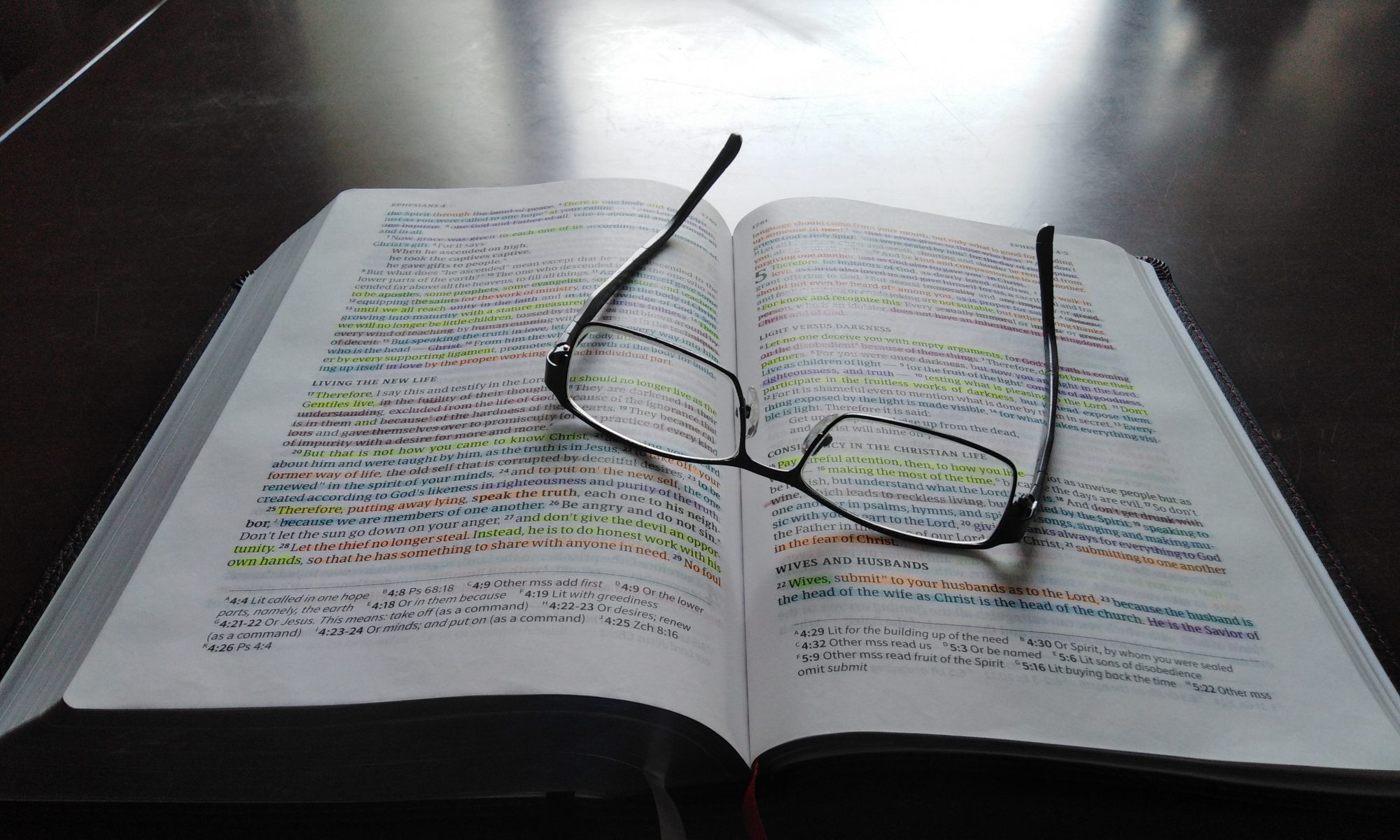
I suppose before we answer this question it matters that we think “how” we study our Bibles actually matters. We believe our Bibles are the very words of God, but do we think that how we study our Bibles matters? I think how we study our Bibles matters because I believe that it contains the words of life that everyday Christian can, indeed, understand.
However, we should first recognize that when we raise this question, we’re actually involving another question: “how can Christians understand God’s word?” It’s important that we know that “studying” God’s word and “understanding” it are not the same thing. “Understanding” is what happens when God’s word connects in such a way that enables the words of life to have their intended effect on the believer. So, there are three aspects to understanding God’s word: “faith”, “the Holy Spirit”, and “hearing.” Our question today involves the third aspect of understanding; “hearing.” Sound “Bible study” is important to ensure clear hearing.
So, how should everyday Christians study God’s word?
I teach the inductive study method, which consists of “observation”, “interpretation”, and “application”. In all methods of study, there are two main approaches to learning: “deduction” and “induction”. Deductive study begins with established assumptions or principles and applies them to specific cases, whereas inductive study starts with specific observations and builds conclusions based on the evidence. Bible study should always be inductive, whereas dogmatics (i.e. theology) is always deductive.
The inductive study method begins with observation, which is where the reader asks questions like “who”, “what”, “where”, “when”, “why”, and “how” in order to establish the baseline of what the text says. This is the stage where the reader is able to apply training-specific skills to their observation to help enhance the depth of their answer to the above questions, but, the answers should always be firmly grounded in the word of God. If someone is bringing in answers from outside of God’s word during this stage, then they are doing it wrong.
The next step in the inductive study method is interpretation, which is where the reader considers biblical, historical, and theological context, compares scripture with scripture, conducts word and topical studies, and consults other resources. This stage is where the observations from the first stage are applied to the text in order to establish the range of meaning in the text so that the reader can carefully interpret the text. And this stage is where the reader can apply further training-specific skills to help interpret meaning from their observations, but, no interpretation should contradict, erase, or add to the essential observations of the text. If the reader is doing any of these things during the interpretation stage of their study, they’re doing it wrong.
The last step of the inductive study method is application, which is where the reader brings the meaning of the text into their life by asking about how the interpretations impact the way we think, cope with our feelings, or live our life. The reader might ask how the text shapes the way they think about God during times of sorrow, or what it says we should do about jealousy, or how we should treat people who mistreat us. This is where the Bible becomes personal. No application should be inconsistent with the interpretations made during the second stage. Our applications must naturally arise from our interpretations of the text, which in turn, must naturally arise from the observations of the text. Therefore, if our applications are utterly unrecognizable to the essential observations of the text, then we know the interpretations that produced them are wrong. The point of application is to realize the life of the text in our own lives, so we want our applications to embody the essential spirit of the text.
What I have described above ensures that we are clearly hearing God’s word. It forces us to look at what the text says so that we have to wrestle with the reality of the word. This clear hearing is where our faith and the work of the Holy Spirit operate in order to produce a true understanding of God’s word.
The purpose of this method is to preserve the connection between how we interpret and apply Scripture to the essential elements of what the text actually says. Our observations of what the text says anchors our interpretations of what it means, which in turn defines our how we apply it to our life.

