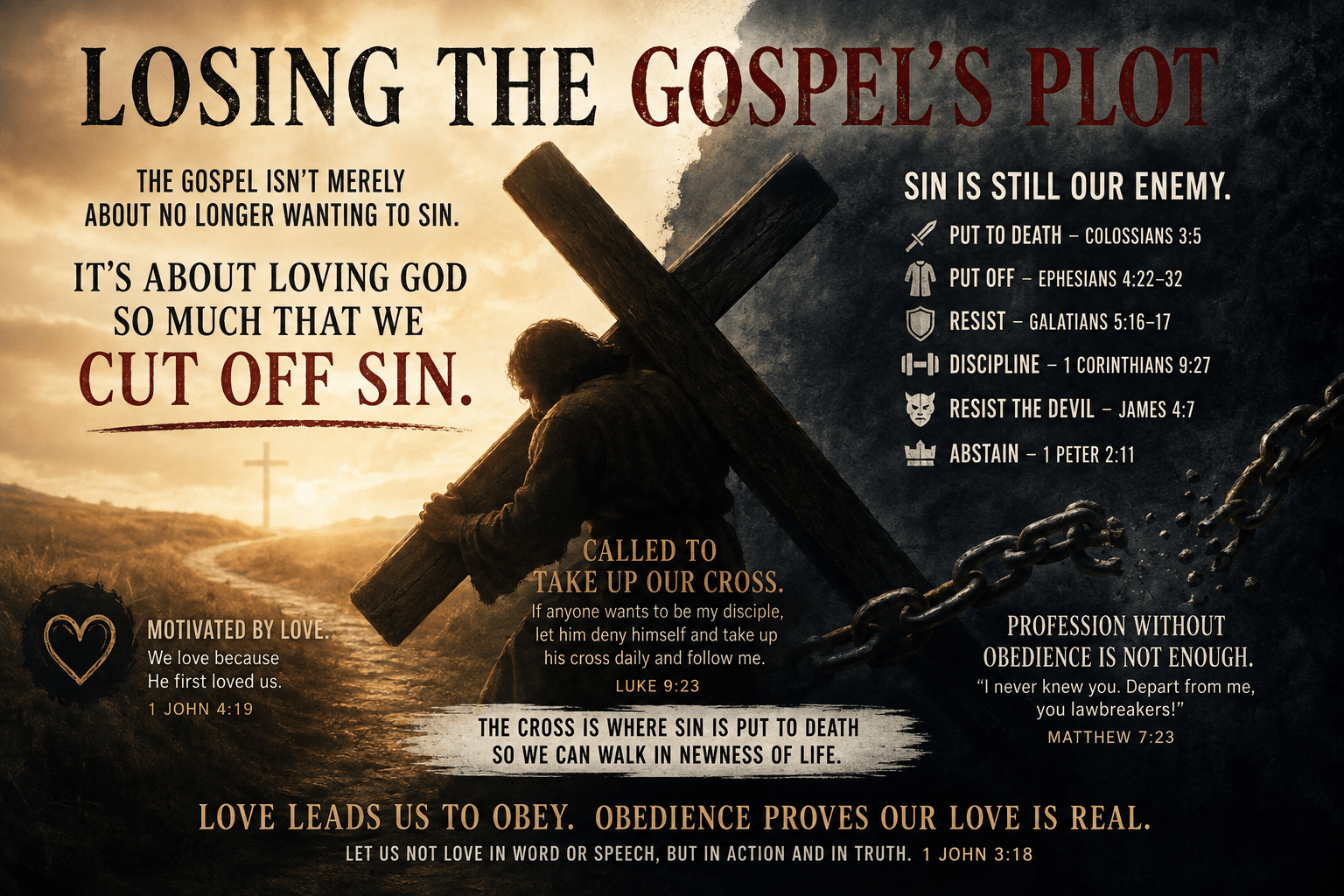
A reflection on the growing tendency to frame Christian holiness primarily in terms of loving God, while neglecting the Bible's equally persistent call to actively resist, put off, and put to death sin. The gospel is about reconciliation with God and transformation through the Spirit—but love does not eliminate the ongoing war with the flesh. Following Jesus means embracing the cross, denying ourselves, and actively putting sin to death.
The Sin of Sodom
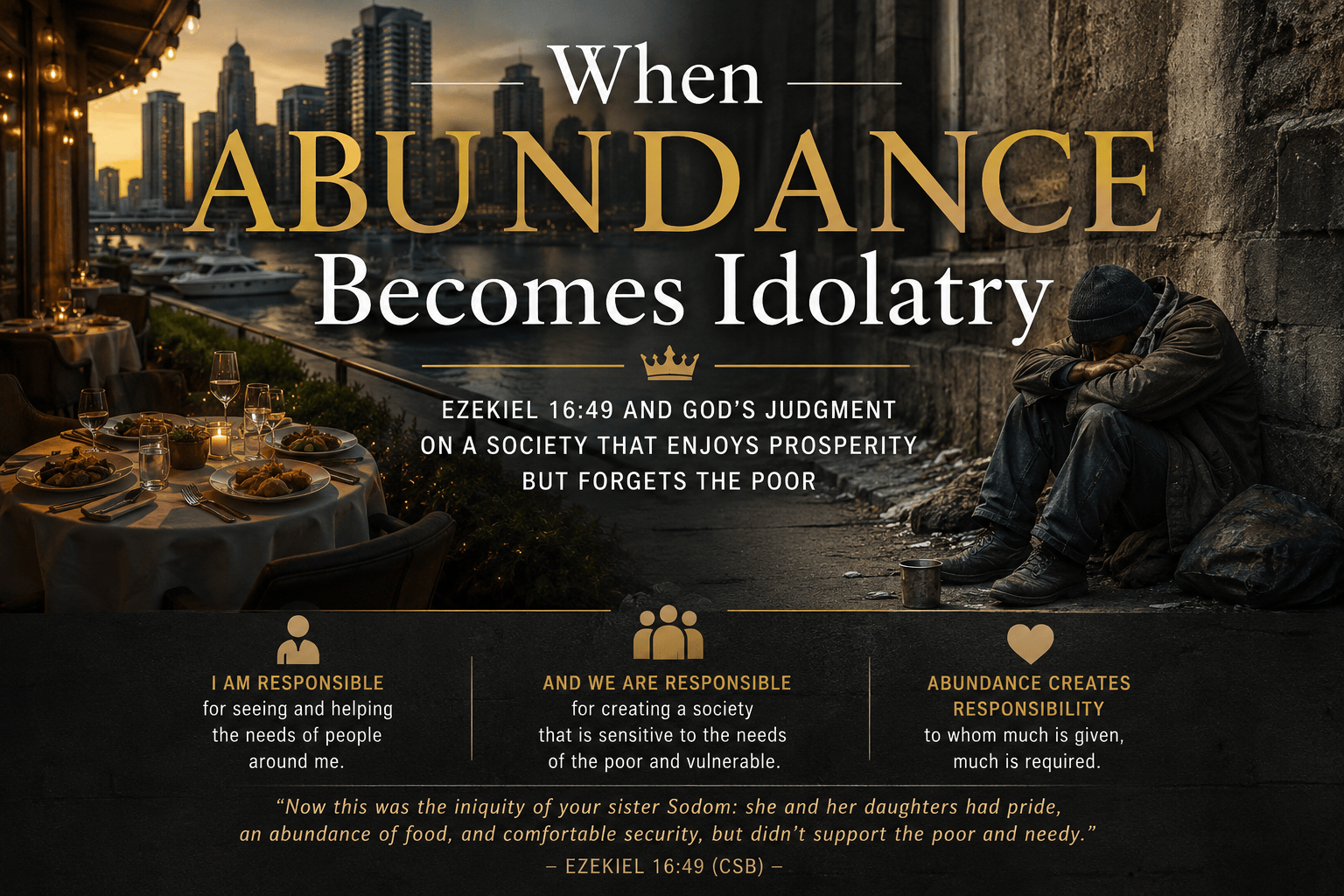
Ezekiel 16:49 exposes the moral danger of abundance without love. Sodom’s sin was not simply that she possessed wealth and comfort, but that she enjoyed abundance while refusing to support the poor and needy. This post explores how Scripture connects material blessing with moral responsibility, showing that wealth carries both personal and communal obligations toward those who are vulnerable.
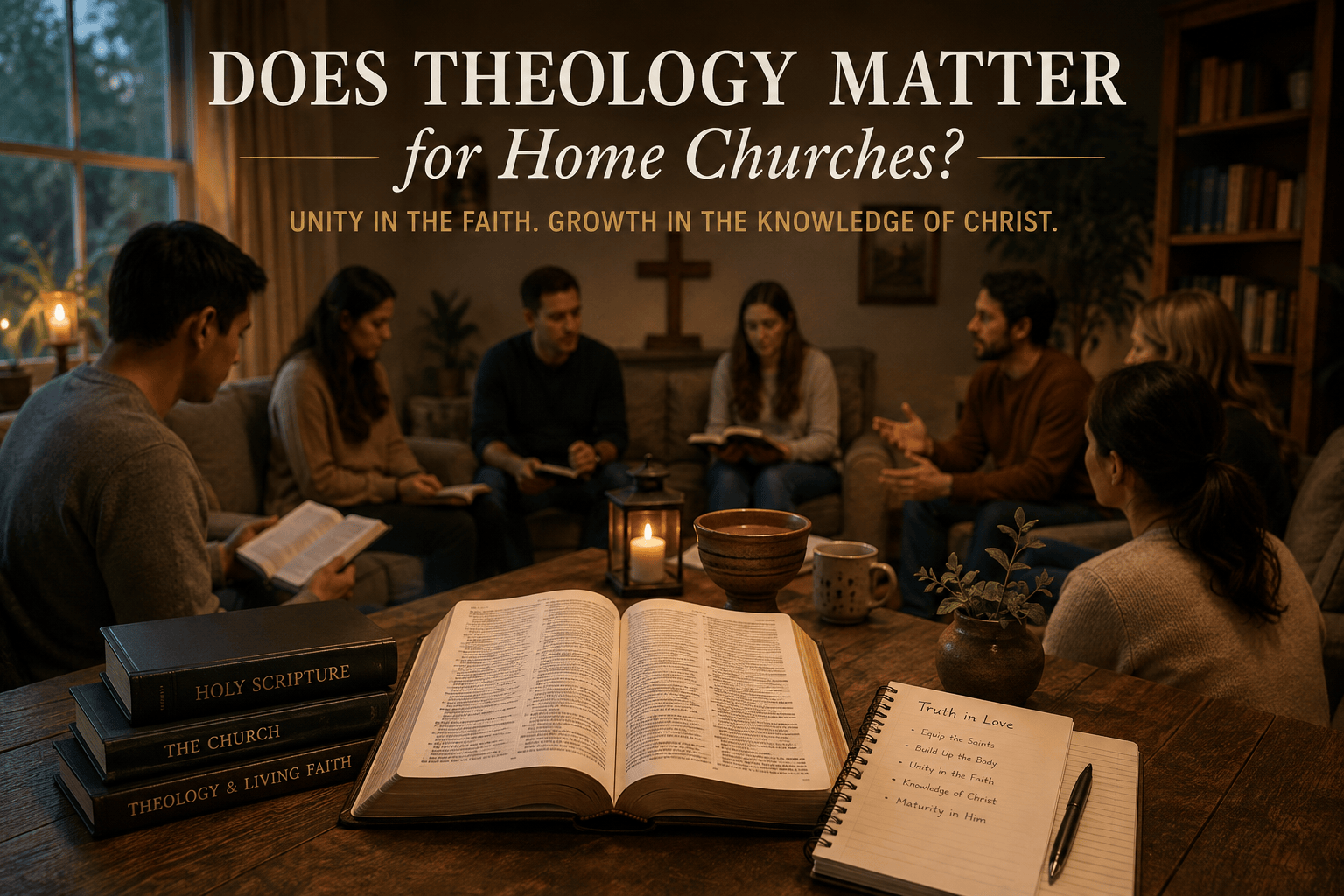
Home Church Theology?
Theological depth matters for home churches—not as an excuse for theological specialization, but because Christian identity, formation, unity, and faithfulness depend upon knowing what we believe. Scripture calls the Church to grow in the knowledge of Christ, resist false teaching, test what we are taught, and remain connected to the broader Christian Church. This post explores why home churches need theological depth while also asking what that depth should look like in different contexts.
Praying: For St. Nicholas Church within the Lavra
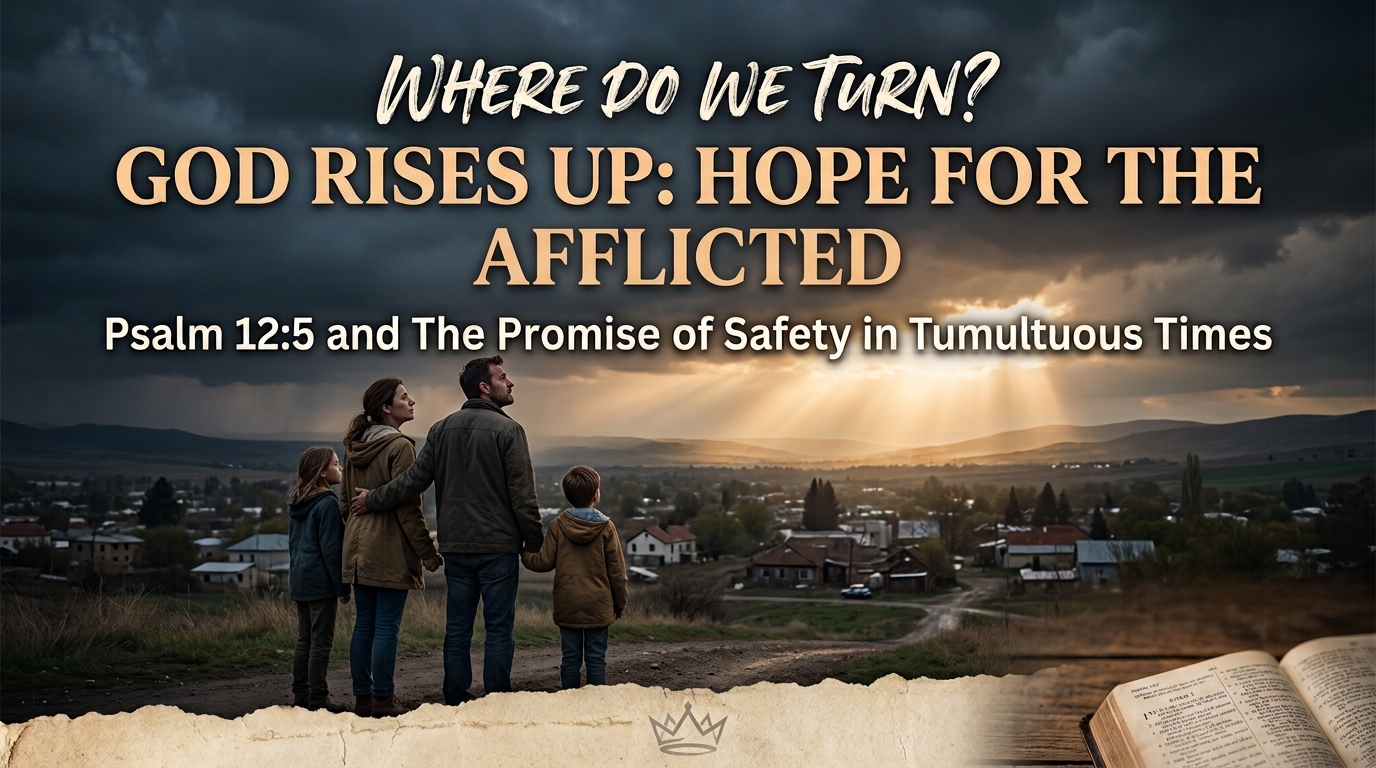
Praying for Christians near the St. Nicholas Church in Ukraine who have suffered an attack.
How to Deal with Absences in Small Home Churches
How should a small home church handle absences?
Home Church: Preaching or Discussion?
Should home churches do a traditional lecture-based lesson, or use some kind of discussion model? Let's take an insight from Scripture!
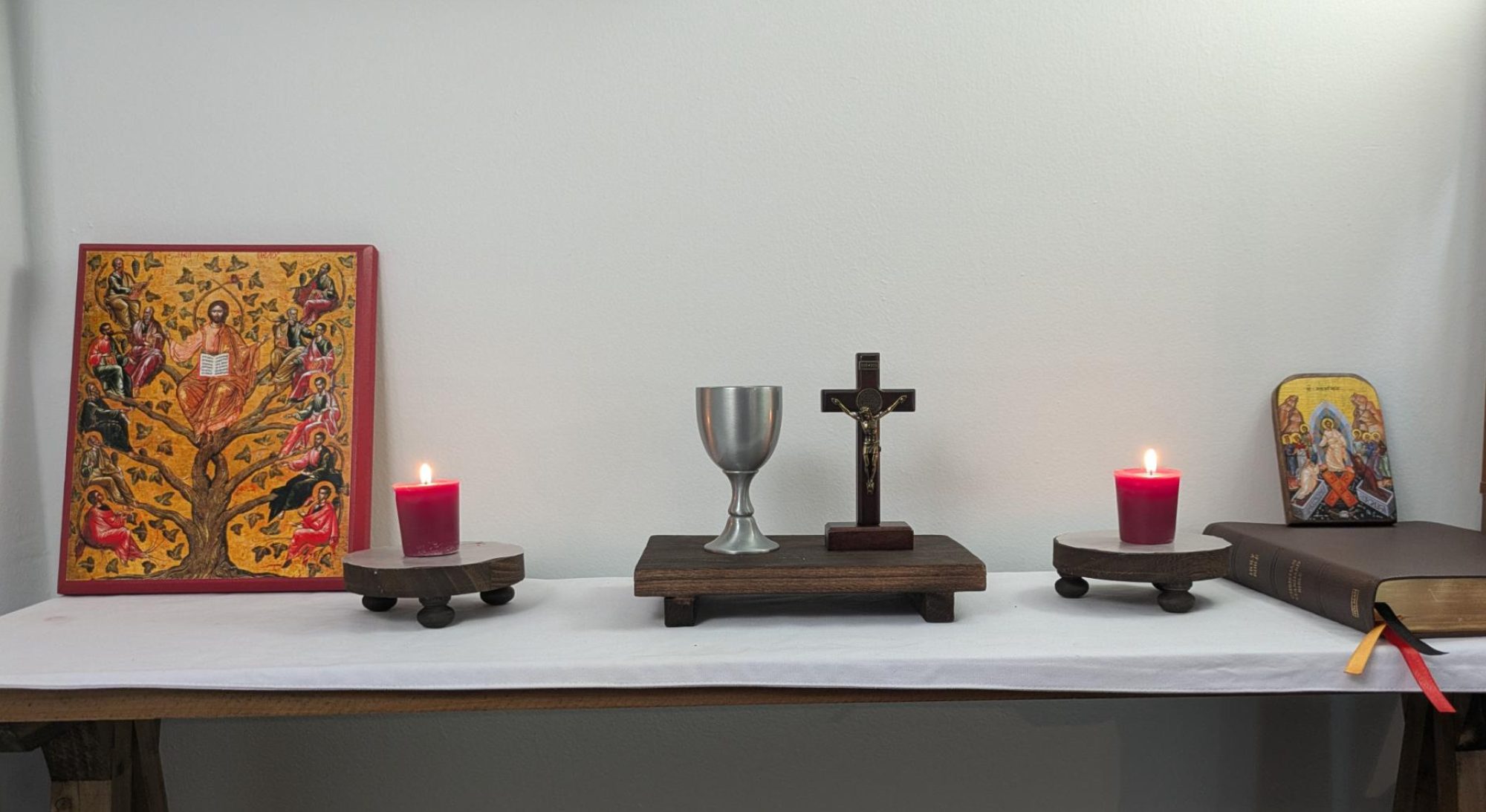
What Makes Home Church Different?
What makes home church different? Let's talk about what it might be like in the home church.
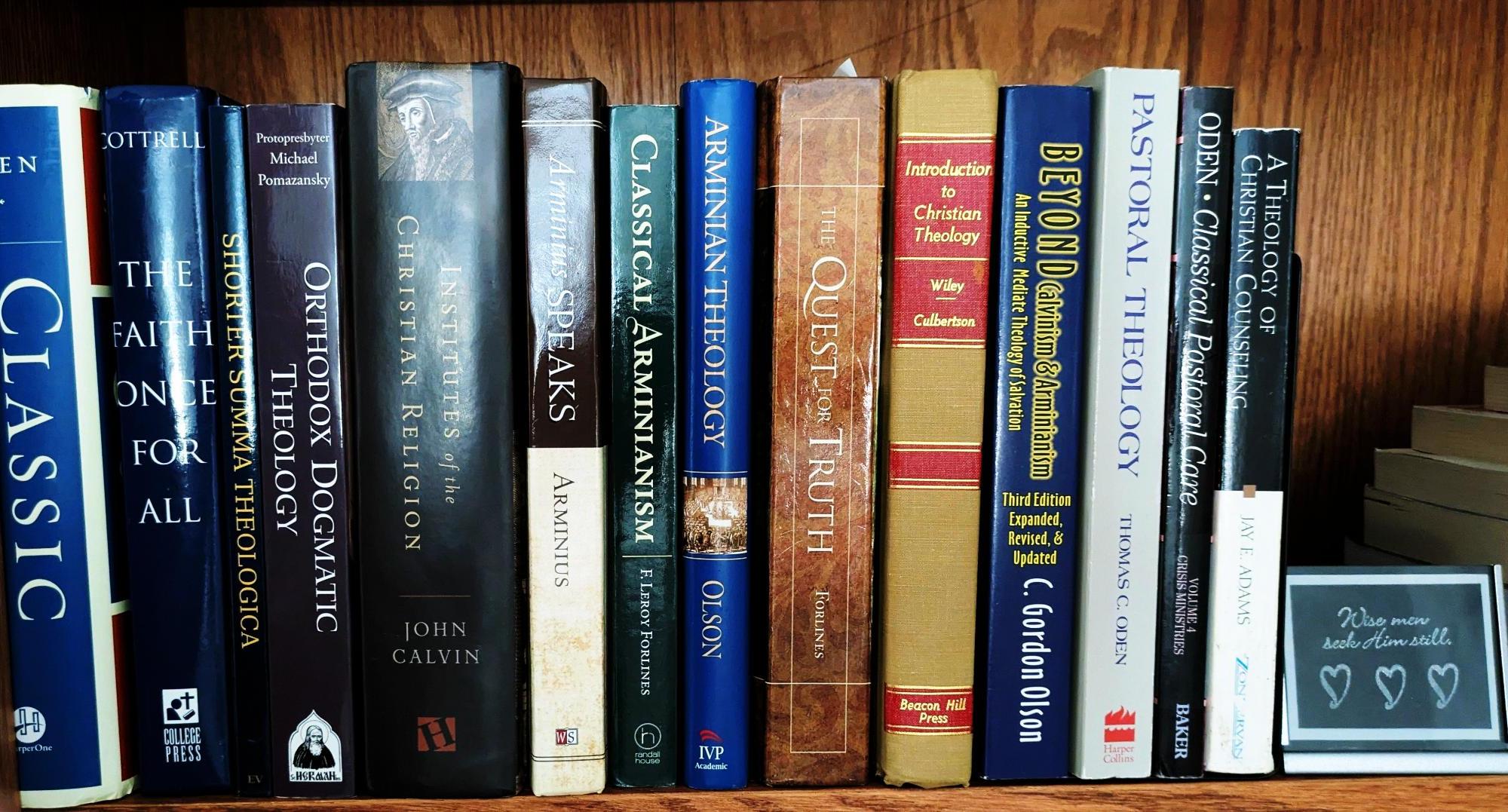
Recommended Reading: Theology
A personal tour through the theological books that have most shaped my thinking and ministry, from Aquinas, Calvin, Arminius, and the Orthodox tradition to Oden, Cottrell, Forlines, Olson, and others. These books represent different Christian traditions, but together they demonstrate the remarkable depth and breadth of the Church's theological inheritance—and the value of learning from the whole body of Christ.
Proper Identification: Why Bearing God’s Image Grounds Human Worth
What grounds human dignity: usefulness, relationship, or something built into us at creation? Post 3 traces Genesis 1 through Forlines and Calvin.
Not Invented But Received:
Is truth just what culture or power decide, or is it objective and given? Post 2 traces Scripture's answer through Calvin's account of what we can't unknow.